Nobody Warned Me That Home Would Feel Like the Weird Country
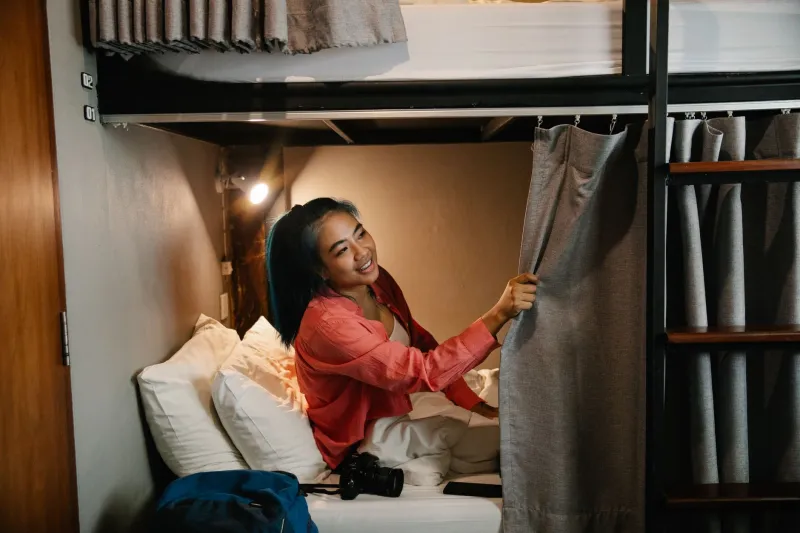
You spent eight months sleeping in bunk beds, eating street food for three dollars, and having conversations that cracked your brain open in the best possible way. You navigated foreign transit systems, haggled in languages you barely spoke, and built friendships that burned bright and fast in the way only hostel friendships can.
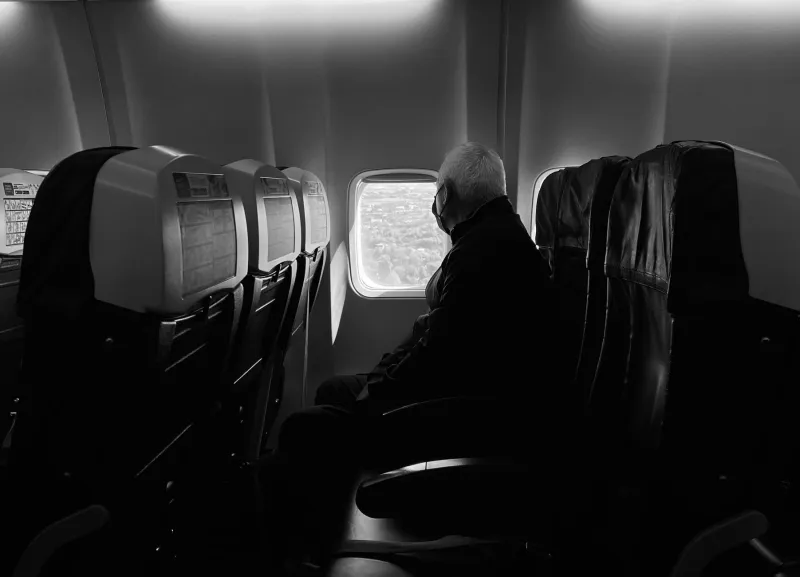
And then you flew home.
Maybe you landed at O'Hare or LAX or some regional airport where your mom was waiting with a handmade sign. Maybe you walked into your childhood bedroom and stared at the posters on the wall like they belonged to someone you used to know. Maybe you sat at the dinner table that first night and felt — for the first time in months — completely, inexplicably alone.
Welcome to reverse culture shock. Nobody puts this in the travel brochure.
The Disorientation Is Real (And It Has a Name)
Reverse culture shock isn't just a vague feeling of weirdness. It's a documented psychological experience that researchers have studied in expats, exchange students, and long-term travelers for decades. The basic premise: after you've spent significant time adapting to a different way of living, your home culture starts to feel foreign. The values feel off. The pace feels wrong. The conversations feel shallow.
For backpackers who've been deep in hostel life — where strangers become family overnight, where nobody cares what you do for work, where the entire point of each day is experience — returning to American suburban or even urban routines can feel like stepping into a parallel dimension.
Your friends are talking about their 401(k)s and their lease renewals. Your family wants to know when you're going to "settle down." And you're sitting there thinking about the night you watched the sun rise over the Adriatic with four people you'd known for 48 hours, and how that felt more real than almost anything in your current zip code.
Why the Hostel Life Rewires You
There's something specific about extended hostel living that makes the reentry harder. It's not just that you traveled — it's how you traveled.
Hostels are built on radical immediacy. You don't ease into friendships over months of brunch dates. You're thrown into a common room with strangers, and within hours you're swapping life stories, sharing someone's leftover pasta, and planning tomorrow's adventure together. That kind of connection — fast, genuine, low-stakes — recalibrates what you expect from human interaction.
Back home, relationships move at a different speed. People are busy. Plans get rescheduled. Conversations stay surface-level because everyone's exhausted from jobs and commutes and the general grind of American life. None of that is wrong. But after months of the hostel way, it feels like everyone's speaking a dialect you've half-forgotten.
You also lose the identity freedom that travel gives you. On the road, you're whoever you say you are. Your job title doesn't define you. Your past doesn't follow you. At home, you're someone's kid, someone's old college roommate, someone's coworker. The roles snap back into place whether you want them to or not.
The Family Dinner Problem
Let's talk about the thing that actually makes you want to crawl out of your skin: the family questions.
Was it safe? Did you eat enough? Okay but what's the plan now?
The people who love you most are often the least equipped to understand what you just lived through. Not because they don't care, but because they're working with a completely different frame of reference. To them, you were away. To you, you were transformed.
The mistake most returning backpackers make is trying to download the entire experience in one conversation. It doesn't work. You end up feeling misunderstood, they end up feeling like you think you're better than everyone, and nobody touches the green bean casserole.
A better move: let it come out slowly. Share one story at a time. Find the details that translate — the funny ones, the scary ones, the human ones. You don't have to make them understand the whole trip. You just have to let them back into your life, even if your life looks different now.
Reconnecting With Friends Who Stayed Put
This one stings in a different way. Your friends didn't go anywhere. They kept living their lives — promotions, relationships, new apartments, inside jokes you weren't there for. There's a gap now, and it runs in both directions.
Some friendships will pick up exactly where they left off. Those are the keepers. Others will feel strained in ways that are hard to articulate. The distance isn't about geography anymore; it's about experience.
Give it time before you write anything off. Reverse culture shock tends to peak in the first few weeks and gradually ease as you rebuild routine and context. The friend who feels like a stranger in month one might feel like home again by month three.
And be honest with yourself about this: some of the disconnection is coming from you. You're the one who changed. That's not a criticism — it's just worth naming. The work of reconnection goes both ways.
Building a Bridge Between Worlds
The travelers who navigate reentry best are usually the ones who find ways to keep one foot in the nomadic mindset without letting it make them useless in their actual life.
That might mean joining a local travel meetup, staying active in online backpacker communities, or planning your next trip — even a short domestic one — so the itch has somewhere to go. Some people find that working at a hostel, even temporarily, helps them transition. Others channel the experience into writing, photography, or teaching.
The goal isn't to recreate the road. It's to integrate what the road taught you into the life you're living now. The curiosity, the openness to strangers, the willingness to be uncomfortable — those don't have to disappear just because you're sleeping in a real bed again.
You're Not Broken. You're Just Between Versions.
Reverse culture shock isn't a sign that you made a mistake by coming home. It's a sign that you actually lived out there. That the experience got into you. That you let it.
Home will start to feel like home again — maybe not the same home, but a version you can inhabit honestly. And somewhere down the line, probably sooner than you think, you'll be back in a hostel common room somewhere, talking to some first-timer who's nervous about their flight tomorrow.
And you'll know exactly what to tell them.
Just maybe not the part about coming back. Let them figure that one out for themselves.