Priced Out of Paradise: What Happens When the Hostels You Loved Get Swallowed by Gentrification
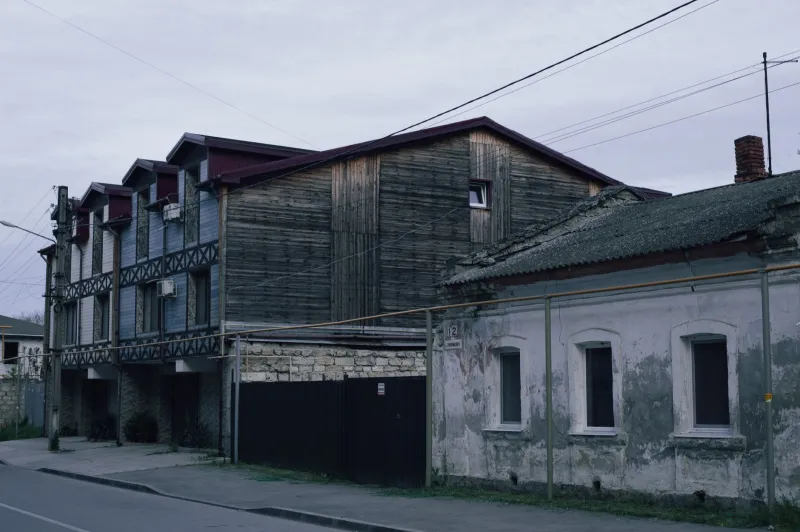
There's a particular kind of heartbreak that hits when you pull up a hostel you stayed at three years ago — the one with the crooked bunk beds, the communal kitchen that smelled like a dozen different countries, the front desk guy who knew every cheap taco spot in a five-mile radius — and find a boutique hotel in its place. Exposed brick. A rooftop bar. Rooms starting at $189 a night.
You close the tab. You stare at the wall. You feel something that doesn't quite have a name yet.
This isn't a rare story anymore. It's becoming the defining one for budget travelers trying to navigate a tourism economy that increasingly has no room for them.
The Neighborhood Changes, and the Hostel Goes With It
Gentrification doesn't announce itself. It creeps in through coffee shops and co-working spaces, through new transit lines and food halls, through the slow, steady rise of median rents that eventually makes a $25-a-night bunk feel like a liability to a property owner sitting on a gold mine.
In cities like Austin, Nashville, and Denver — all once reliable stops on the American backpacker circuit — the hostel landscape has shifted dramatically over the past decade. The neighborhoods that used to shelter cheap stays were, almost by definition, the ones with character: slightly rough around the edges, full of local bars and street art and the kind of energy that made travelers want to linger. That same energy attracted developers. And developers don't build bunk rooms.
Long-time hostel workers describe watching the transformation happen in slow motion. A new apartment complex goes up on the corner. Then another. Rents on the block double. The property owner starts getting calls from hotel groups. Eventually, the math becomes impossible to ignore.
"The owners didn't always want to sell," says one former hostel manager who spent six years running a beloved budget property in a mid-sized Southern city before the building was purchased and converted. "But when someone offers you three times what the place is worth, and your lease is up anyway, what do you do?"
What Gets Lost When a Hostel Closes
The easy answer is: cheap beds. But that's like saying what gets lost when a record store closes is just a place to buy music.
Hostels function as informal infrastructure for a specific kind of traveler — young, often solo, frequently operating on tight margins, and deeply reliant on community to make the road feel less isolating. They're where you find out which bus actually goes to the trailhead, which border crossing is currently backed up, which city is worth an extra week of your time. They're where you meet the person who becomes your travel partner for the next month, or the local staff member who slips you a handwritten list of neighborhood spots that never make it onto any app.
When that infrastructure disappears, it doesn't just inconvenience travelers. It restructures who gets to travel at all.
For American backpackers — many of whom are already stretching limited PTO and tighter-than-ever budgets — the loss of affordable hostel stock in popular destinations creates a cascading problem. Accommodation costs rise. Daily budgets blow out. Trips get shorter or get canceled. The slow, immersive style of travel that defines the backpacker experience gets replaced with a faster, more expensive version that looks a lot more like conventional tourism.
The Rebrand Problem
Not every hostel disappears through demolition. Some survive by becoming something else entirely.
The "upmarket hostel" trend — think sleek pod beds, curated cocktail menus, Instagram-optimized common areas, and nightly rates that creep past $80 — has reshaped what the word "hostel" even means in certain cities. These properties aren't wrong for existing. But they serve a fundamentally different traveler than the one who needs to stretch $40 across an entire day.
There's a version of this rebranding that's honest and transparent. And then there's the version where a property keeps the hostel label for SEO purposes while quietly pricing out the exact community that made it worth staying at in the first place.
Backpackers who've been on the road long enough can feel the difference the moment they walk in. The energy is different. The conversations are different. The staff, often now trained in hospitality rather than hired from the traveler community itself, relate to guests differently. It's not bad, exactly. It's just not the same thing.
Where Do Displaced Backpackers Actually Go?
Some adapt. Travelers who once relied on central urban hostels are increasingly pushed toward the periphery — outer neighborhoods, smaller cities, rural areas that haven't yet caught the attention of developers. In some cases, this produces genuinely great discoveries: smaller, weirder, more locally connected stays that haven't been smoothed out by the market yet.
Others turn to workarounds. Work exchanges through platforms like Workaway. Couchsurfing networks, which have had their own turbulent evolution. Campgrounds and van life setups that trade a roof for freedom. Community-run spaces that operate somewhere between hostel and collective.
And some, honestly, just stop going to certain places. When a city's cheapest hostel option runs $70 a night, the city simply falls off the list.
The Bigger Picture for Budget Travel
What's happening to hostels is part of a broader story about who gets to move through the world and on what terms. Tourism has always had an uncomfortable relationship with the communities it passes through. But the gentrification of budget travel infrastructure adds a layer to that tension: now it's not just locals being priced out of their neighborhoods. It's travelers being priced out of the ecosystem that made their style of travel possible.
The hostels that survive — and there are still good ones out there, genuinely scrappy and community-minded and priced for people who are actually counting their dollars — tend to be the ones that built something more than a business. They built loyalty. They built a reason for travelers to come back and bring others. They became, in some hard-to-quantify way, part of the fabric of how their neighborhood understood itself.
That's not nothing. In fact, it might be the only thing that saves them.
Finding What's Left
If you're planning a trip and worried about landing somewhere that used to be great and is now just expensive with better lighting, do your homework. Read recent reviews from people who describe themselves the way you'd describe yourself — budget-focused, socially oriented, more interested in the common room than the amenity list. Check whether the vibe in the photos matches the price point. Ask in travel forums. Reach out to the hostel directly and see how they respond.
The good ones are still out there. They're just getting harder to find — which, honestly, makes finding them feel a little more like the travel you were looking for in the first place.