How to Find Your Travel Crew When You're Somewhere in the Middle of Nowhere
Photo: Stephany5757, CC BY-SA 4.0, via Wikimedia Commons
Solo travel gets romanticized constantly. The lone figure on a mountain trail. The solitary table at a candlelit restaurant. The window seat on a train cutting through countryside you've never seen before. It looks great in photos.
But nobody posts the Tuesday afternoons. The ones where you're sitting alone at a café with nothing but your own thoughts and a lukewarm coffee, wondering if you've made a terrible mistake. The ones where you've been in your own head for so long that the sound of anyone's voice — literally anyone's — would feel like a gift.
True solo travel is lonelier than the internet lets on. And while there's real value in spending time with yourself on the road, most long-term backpackers will tell you the same thing: the best parts of their trips involved other people. The right people. Their people.
Finding those people isn't luck. It's a skill. And like most skills, it can be learned.
Stop Waiting for It to Happen Organically
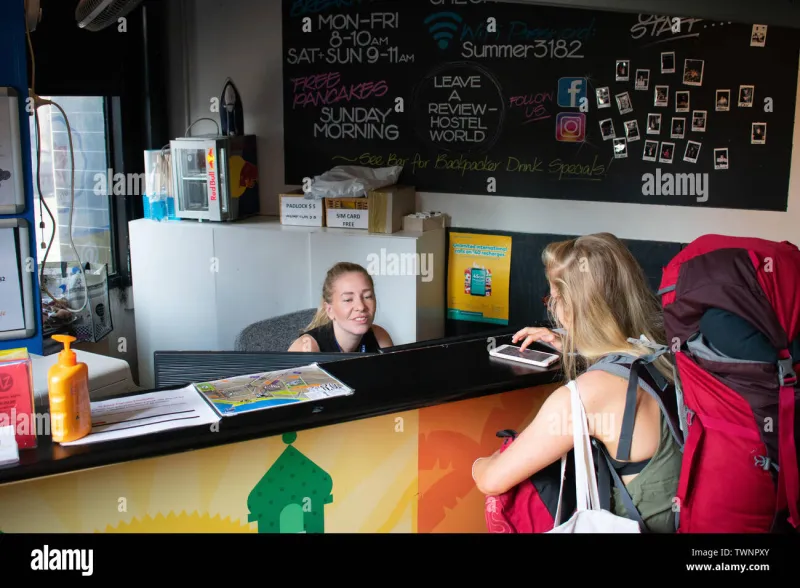
Here's the first uncomfortable truth: connection doesn't just happen at a hostel. Yes, the environment is more social than a hotel — but so is a crowded subway car, and nobody's making lifelong friends there. The infrastructure exists, but you have to use it.
That means putting the phone down when you're in the common room. It means sitting at the communal table instead of the corner chair. It means saying yes to the group dinner even when you're tired and would genuinely rather watch something on your laptop.
The travelers who consistently build strong road friendships aren't necessarily the most extroverted people in the room. They're just the most intentional. They treat connection as something worth showing up for.
Read the Room (Literally)
Not everyone in a hostel common room is looking to socialize, and learning to read those signals is half the battle. The person with headphones in and a focused expression is probably not your opening. The person scrolling aimlessly and glancing around? That's your window.
Pay attention to body language. Open posture, eye contact, a book held loosely rather than as a shield — these are the green lights. When you do approach, keep the opener low-stakes. "Where are you headed next?" or "How long have you been here?" are classics for a reason. They're easy to answer, they're relevant to the context, and they naturally lead somewhere.
What you're really listening for in those first few exchanges isn't just content — it's rhythm. Do they ask questions back? Do they seem genuinely curious? Are they laughing at the same things you are? Compatibility on the road is less about shared interests and more about shared energy. You want someone whose pace matches yours.
Use Hostel Programming Like It's Your Job
Every hostel worth its salt runs some kind of programming — pub crawls, free walking tours, communal dinners, game nights, surf lessons, cooking classes. These aren't just fun add-ons. They're structured opportunities to spend time with people in a low-pressure setting where conversation happens naturally because you're all doing something together.
Group activities eliminate the awkward standing-around problem. You have a built-in topic (whatever you're doing), a built-in reason to be next to someone, and a shared experience to reference later. "That was insane" goes a long way as a conversation starter.
If your hostel doesn't have much programming, check the bulletin board. Many hostels post community events, local meetups, and traveler-organized outings. And if you don't see what you're looking for — organize it yourself. Post a note that says "Anyone want to check out the street food market tonight? Meeting in the common room at 7." You'll be surprised who shows up.
The Kitchen Is Your Secret Weapon
If there's one underrated spot in any hostel, it's the communal kitchen. People are relaxed there. They're doing something ordinary — cooking, eating, washing dishes — which makes conversation feel natural rather than forced.
Offer to share what you're making. Ask someone what they're cooking. Comment on the chaos of six people trying to use two burners simultaneously. The kitchen is where some of the best hostel friendships start, because it strips away the performance of socializing and just lets people be human together.
Bring snacks to share. Seriously. A bag of chips or a box of crackers placed on the common room table with a casual "help yourself" is a social lubricant that costs about three dollars and works every time.
When You Find Your People, Move Fast
Road friendships operate on a compressed timeline. You might have 48 hours with someone before one of you moves on. That's enough time to form a genuine bond — but only if you're willing to skip the small talk and go a little deeper, a little faster than you would back home.
This isn't about being intense. It's about being present. Ask real questions. Share real stories. Don't spend the whole time talking about where you're from and what you do for work. Ask what made them leave, what surprised them, what they're afraid of, what they're chasing.
And when you click with someone, make the next move concrete. "We should grab dinner" is vague and often never happens. "Want to grab dinner tonight at 7?" actually happens. Be specific. Lock it in.
Traveling Together: The Good, the Bad, and the Negotiable
If you do end up joining forces with another traveler or a small group, go in with clear expectations. The number one source of friction in impromptu travel crews is mismatched pace. One person wants to see every museum; another wants to spend the afternoon at the beach. Neither is wrong — but if you don't talk about it early, it becomes a problem.
Have the conversation before you book anything together. What's the daily budget? Early riser or slow mornings? Packed itinerary or go-with-the-flow? A five-minute conversation upfront saves a lot of passive-aggressive tension later.
Also: it's okay to split up and reconvene. Good travel crews aren't attached at the hip. You should feel free to do your own thing during the day and meet up in the evening. That independence is actually what keeps the friendship healthy.
Keeping It Alive After Checkout
The hardest part of road friendships isn't making them — it's maintaining them once you've both moved on. The good news is that travelers tend to be better at this than most people expect. You've got WhatsApp, Instagram, and the shared understanding that life on the road creates bonds that don't need constant maintenance to stay real.
Send the occasional check-in. Share a photo when you end up somewhere they mentioned wanting to go. And keep the door open — "If you're ever passing through..." is a phrase that, among travelers, actually means something.
The road is long and the world is smaller than it looks. You'd be surprised how many times you run into the same person in a completely different country six months later.
That's not coincidence. That's just what happens when you're all out here chasing the same thing.