Why Backpackers Are Ghosting Airbnb and Falling Hard for Hostel Life
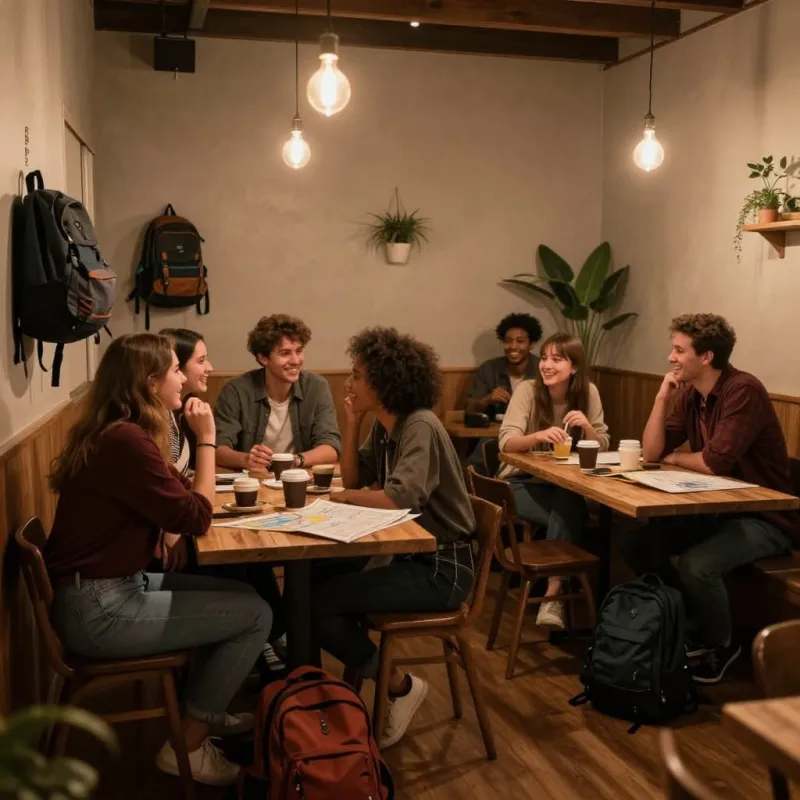
Photo: backpackers laughing in hostel common room, via user-images.rightblogger.com
Something is shifting in the way American travelers choose where to sleep. Across the country and around the world, a growing wave of US backpackers is quietly walking away from private Airbnb apartments and checking into hostels instead. It's not just about saving money — it's about something a locked front door can never give you.
The Airbnb Dream That Started Feeling a Little Hollow
For a solid stretch of the 2010s, Airbnb felt like a revelation. You could rent a quirky studio in Lisbon, a converted barn in Vermont, a rooftop apartment in Mexico City — all without dealing with the stiff formality of a hotel. It felt personal. It felt like travel.
But somewhere along the way, the dream started to curdle. Prices crept up. Cleaning fees turned a "cheap" three-night stay into something that rivaled a mid-range hotel. Check-in instructions arrived as a 14-step PDF. And when you finally got inside? You were alone. Completely, utterly alone — in someone else's apartment, with a ring doorbell watching the hallway and a laminated house rules sheet on the kitchen counter.
Travelers like Maya, a 27-year-old graphic designer from Portland who spent six months backpacking through Southeast Asia, know exactly what that feels like. "I did Airbnb for the first two weeks in Thailand," she says. "The places were fine, but I'd come home at night and just... sit there. I didn't know anyone. I didn't know where to go. I was basically just sleeping in a stranger's apartment with no stranger in it."
She switched to hostels in Chiang Mai on a whim, mostly because her budget was thinning. She stayed for three weeks.
What Hostels Actually Offer That No Algorithm Can Match
Here's what nobody tells you before your first hostel stay: the building itself is almost beside the point. Sure, the bed matters, the bathroom matters, the Wi-Fi absolutely matters. But the real product a hostel sells is access — to people, to local knowledge, to the kind of spontaneous, unscripted experiences that don't show up on any travel blog's "Top 10" list.
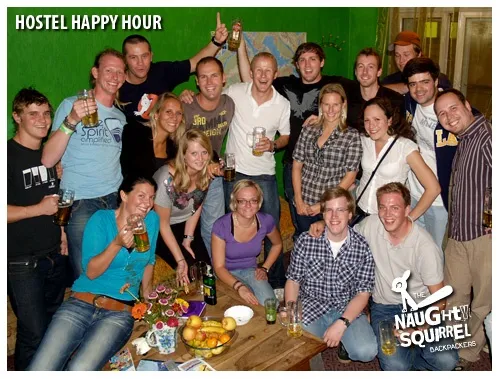
Walk into a good hostel common room on a Tuesday night and you might find a German couple who just hiked a trail nobody's heard of, a solo traveler from Chicago who's been living in the city for two months and knows every cheap local spot, and a staff member who grew up in the neighborhood and has opinions about where you should actually eat. That's a network that no Airbnb listing, no matter how charming, can manufacture.
There's also something to be said for the built-in social structure. Hostel common areas, communal kitchens, organized pub crawls, free walking tours — these aren't just amenities. They're on-ramps for connection. They lower the barrier to talking to a stranger from basically impossible to almost effortless.
Derrick, a 31-year-old teacher from Atlanta who's been backpacking through Central America for the past year, puts it plainly: "At an Airbnb, you have to actively seek everything out. At a hostel, the world kind of comes to you. Someone's always asking if you want to grab food, or they know about a waterfall that's not on any map. I've had more genuine travel moments in hostel common rooms than anywhere else."
The Cost Factor Is Real — But It's Only Part of the Story
Let's not pretend money isn't a piece of this. It is. A dorm bed in a well-run hostel can run anywhere from $15 to $45 a night in most popular destinations — often a fraction of what a private Airbnb costs after fees. For travelers stretching a budget across months rather than weeks, that difference is the difference between going home early and keeping the trip alive.
But if cost were the only driver, travelers would have never left hostels in the first place. The real shift happening right now is cultural. American travelers — especially younger ones in their 20s and 30s — are increasingly skeptical of the hyper-curated, highly individualized travel experience. They've grown up watching influencer content that makes solo travel look glamorous and self-contained, and many of them have tried that version of the road and found it lonelier than advertised.
Hostels offer a counterpoint: travel as a communal experience. You share space, you share meals, you share stories. Sometimes you share a cab to the airport at 4 a.m. with someone you met 48 hours ago and somehow feel like you've known for years.
The "Stranger Danger" Myth That Kept Americans Away
For a long time, hostels carried a stigma in American travel culture that they simply don't carry in Europe or Australia. The word "dorm" conjured images of paper-thin mattresses, stolen laptops, and zero privacy. Some of that reputation wasn't entirely unearned — but the hostel industry has evolved dramatically, and the US traveler is catching up.
Modern hostels often offer private rooms alongside dorms, personal lockers, quality bedding, and social programming that rivals boutique hotels. Brands have invested in design, in community, in creating spaces that feel like a neighborhood hub rather than a budget crash pad. The experience has changed — and word is getting around.
Social media has helped. When travelers post about the friends they made, the impromptu road trips that started over breakfast, the local dive bar a staff member recommended that turned into a legendary night — those stories spread. They're more compelling than a photo of a perfectly staged Airbnb living room.
The Drifter Jack's Take
At the end of the day, the way you sleep shapes the kind of trip you have. A private apartment gives you control, quiet, and a kitchen. A hostel gives you chaos, connection, and the possibility that tonight might turn into a story you tell for the rest of your life.
Neither is wrong. But if you're traveling solo, if you're on the road for more than a week or two, and if you're after something that feels genuinely alive — the hostel is going to win almost every time.
Maya, the graphic designer from Portland, is already planning her next trip. She's not checking Airbnb.
"I'd rather have a slightly uncomfortable bed and a room full of interesting people than a perfect apartment where I'm talking to nobody," she says. "The discomfort is kind of the point. That's where the good stuff happens."
Sleep cheap. Wander far. And for the love of everything, talk to the person next to you at breakfast.