No Plastic, No Problem: A US Backpacker's Real-World Guide to Traveling Without a Credit Card
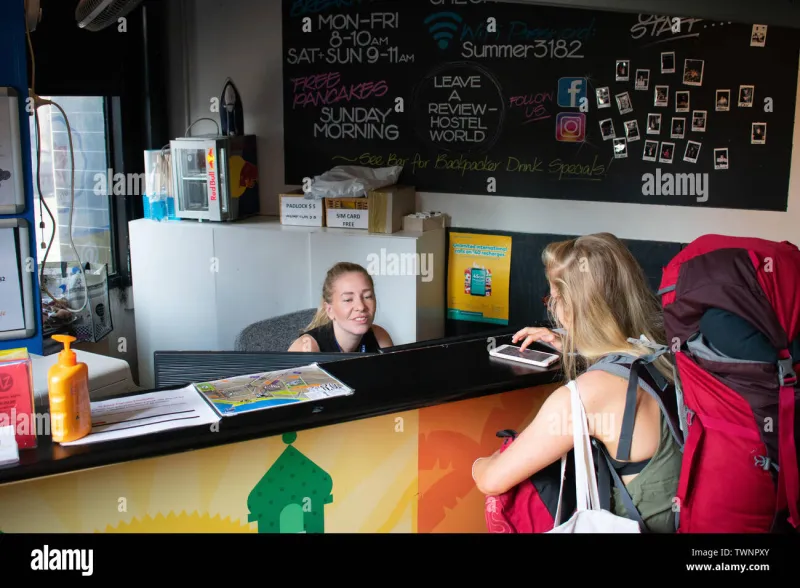
Photo: backpacker counting cash at hostel check-in desk, via www.alamy.com
Let's get one thing out of the way: traveling without a credit card is harder than it used to be. The world has gone increasingly cashless, hostels have adopted online booking systems, and a surprising number of buses, trains, and budget airlines now want a chip-and-pin before they'll let you on board.
But "harder" isn't the same as "impossible." Thousands of US backpackers travel every year without a traditional credit card — some because they're building credit, some because they've had bad experiences, some because they're under 21 and the options are limited, and some because they just prefer knowing exactly what they're spending. If that's you, this guide is the one you actually needed before you left.
The ATM Is Your Best Friend — If You Pick the Right One
Foreign ATM fees will eat your budget alive if you're not careful. Most US banks charge between $3 and $5 per international withdrawal, plus the foreign transaction fee, plus whatever the local ATM tacks on for the privilege. That adds up to $10–$15 disappearing every time you need cash. Over a month of travel, you've just lost a week of hostel nights.
The fix: switch to a bank that reimburses international ATM fees before you leave. Charles Schwab's High Yield Investor Checking account is the gold standard for US travelers — no foreign transaction fees, unlimited ATM fee reimbursements worldwide, and no minimum balance. Fidelity's Cash Management Account runs a close second. These aren't credit cards. They're debit accounts. But they behave like a traveler's best weapon in a cash economy.
Always withdraw larger amounts less frequently. Taking out $200 once beats taking out $40 five times, even if it feels scarier to carry more cash.
Prepaid Cards: The Underrated Middle Ground
If you don't qualify for (or want) a debit account with fee reimbursements, a prepaid travel card is your next best move.
Wise (formerly TransferWise) is the one most long-term backpackers swear by. You load it in USD from your US bank, convert to local currency at the mid-market exchange rate (the real rate, not the bank rate), and spend or withdraw abroad. The fees are low and transparent. You can hold multiple currencies simultaneously. And it works in most places that accept Mastercard or Visa.
Revolut is another solid option with a free tier that gives you a set number of fee-free ATM withdrawals per month before fees kick in.
Neither of these is a credit card. Neither builds your credit history. But both give you the functionality of plastic in a world that increasingly demands it — which means you can book hostels online, reserve bus tickets, and pay for the occasional Airbnb without carrying a brick of cash everywhere you go.
Which Destinations Still Run on Cash
Not everywhere has gone digital, and that's actually good news for cash-heavy travelers.
Large swaths of Southeast Asia — Vietnam, Cambodia, Myanmar, Laos — still operate primarily on cash economies. Guesthouses and budget hostels in these regions frequently prefer cash, sometimes exclusively. The street food scene, local transport, and market culture are almost entirely cash-based. Your USD goes far, the exchange rates are manageable, and the infrastructure for budget travel without plastic is genuinely robust.
Central America — Guatemala, Honduras, Nicaragua, Belize — runs similarly. The hostel scene in cities like Antigua, Granada, and San Pedro La Laguna is deeply cash-friendly, and many locally-run spots will give you a small discount for paying without a card (because they avoid processing fees).
Even in Eastern Europe — think Albania, North Macedonia, and parts of Romania — cash is still king in smaller towns and hostel-heavy backpacker routes. Budget travelers have been navigating these regions with envelopes of euros and local currency for decades.
Research your specific destination's cash culture before you go. A quick search on travel forums like Reddit's r/solotravel or r/backpacking will give you current, on-the-ground intel that no guidebook can match.
Building Trust With Hostel Owners
Here's a practical reality: some hostels require a card on file, either for a security deposit or to hold a reservation. If you're traveling without one, you'll occasionally run into friction.
A few things that help:
Book directly when possible. Many smaller hostels prefer direct bookings anyway — it saves them the commission fee from booking platforms. Email or WhatsApp the hostel ahead of time, explain your situation honestly, and ask about paying in cash on arrival. Most hostel owners, especially independent operators, will work with you. They'd rather have a confirmed guest than an empty bed.
Build a track record. Review platforms matter in both directions. If you've got a history of positive guest reviews on Hostelworld or Booking.com, that's social currency. Mention it. Show your profile. Trust is built on reputation, not just credit scores.
Offer to pay upfront. If a hostel is nervous about holding a reservation without a card, offer to pay for your first night or two via bank transfer or PayPal before you arrive. It's a gesture that signals reliability.
Real Talk From the Road
Marcus, a 24-year-old from Portland, spent four months in Southeast Asia and Central America with nothing but a Wise card and a debit account after his credit card got compromised two weeks before departure. "The first week was stressful because I kept expecting it to fail," he says. "But once I figured out which ATMs didn't charge fees and started booking directly with hostels, it got easy. I actually spent less because I couldn't impulse-buy stuff online."
Jenna, 27, from Chicago, has been traveling on and off for three years without a credit card by choice. "People assume you're irresponsible or broke," she says. "But I just like knowing what I have. Prepaid cards and a Schwab account — that's my whole system. It works everywhere I've been."
The Bottom Line
Traveling without a credit card in 2024 takes a little more planning and a little more hustle. But it doesn't take more money — and it definitely doesn't take more courage. The backpacker economy has always had a DIY spirit, and navigating a cashless world with non-traditional tools is just the latest version of that.
Get the right debit account. Load a Wise card. Do your homework on cash-friendly destinations. Talk to hostel owners like a human being. And remember: plenty of people have been doing exactly this for years, waking up in new cities every morning, completely unbothered.
You don't need perfect credit to wander far.