First Time Crossing the Border? Here's What No One Tells American Backpackers Until It's Too Late
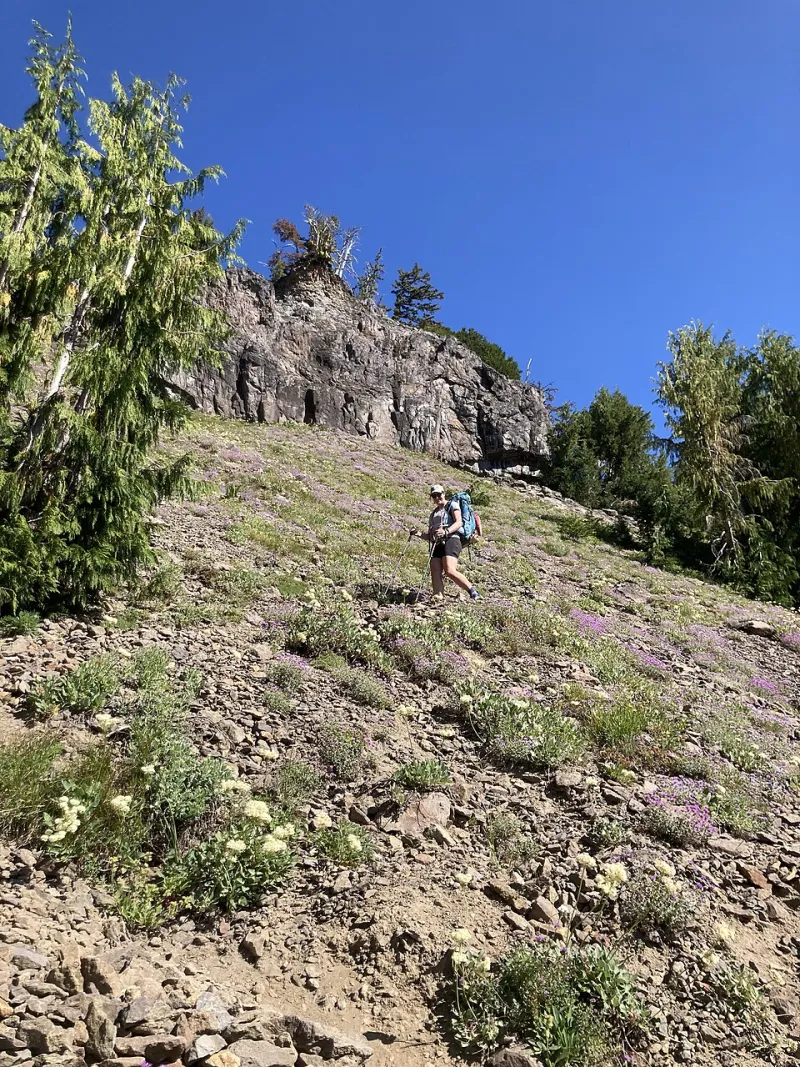
Photo: Mattsjc, CC BY 4.0, via Wikimedia Commons
There's a specific kind of anxiety that comes with your first land border crossing. You've heard the stories. The guy who got turned around at Tijuana because he couldn't prove onward travel. The woman who stood in line for four hours at Niagara Falls only to realize she'd left her passport in her hostel locker. The couple who got hit with a surprise fee they didn't know existed and had to scramble for cash at a sketchy ATM.
Border crossings don't have to be a nightmare. But they do require actual preparation — not the "I'll figure it out" energy that works fine when you're booking a hostel last minute. Here's a grounded, practical breakdown for US backpackers heading across any border on a budget.
Mexico: The Most Accessible International Crossing for US Backpackers
For most Americans, Mexico is the first international border they ever cross. It's close, it's affordable, and it's genuinely incredible for budget travelers. It's also the source of more confusion than it needs to be.
What you actually need: A valid US passport. That's it for the entry itself. However — and this is important — if you're going more than about 20 kilometers past the border zone, you need a tourist card called the FMM (Forma Migratoria Múltiple). It's free if you fly in, but if you cross by land, you have to actively stop and fill one out at the immigration office near the port of entry. Many first-timers walk right past it without realizing.
The 180-day rule: Mexico grants US citizens up to 180 days, but the officer at the window decides how many days to stamp you. Ask politely for 180 if you plan to stay a while. Some people forget to ask and end up with 30 days on their card.
Money at the border: Don't exchange currency at the border crossing booths. The rates are terrible. Walk a few blocks into town, find a local ATM or a casa de cambio (currency exchange), and you'll get a significantly better rate. Bring some US dollars as backup — they're widely accepted in border towns — but pesos go further almost everywhere else.
Land crossing hacks: San Diego to Tijuana via the San Ysidro port is one of the busiest border crossings on the planet. Use the CBX bridge if you have a flight from Tijuana's airport — it costs around $30 and saves hours. For walking across, CBX aside, the pedestrian crossing is straightforward. The return crossing into the US is where lines get long — the Ready Lane moves faster if you have a passport card or Enhanced Driver's License.
Canada: Underestimated and Occasionally Complicated
Most Americans assume the Canadian border is basically a formality. And for many people, it is. But there are real catches that catch backpackers off guard every year.
What you need: A valid US passport (or passport card for land/sea crossings). No visa required for US citizens. Simple enough.
The catch: Canadian border officers have significant discretion about who they let in. If you look like you're planning to work illegally, overstay, or if you have a prior DUI on your record (yes, really — Canada treats DUIs as serious criminal offenses), you can be denied entry. Be straightforward about your plans. "I'm backpacking for a few weeks, staying at hostels, heading to Vancouver" is a perfectly fine answer. Vague answers make officers nervous.
Budget tip: The Canadian dollar tends to sit below the US dollar in exchange rate, which is great news for American backpackers. Your money stretches a bit further than you might expect, especially outside of Toronto and Vancouver.
Crossing by bus or train: Greyhound used to be the go-to but has scaled back significantly in the US. For Canada crossings, FlixBus, BoltBus alternatives, and Amtrak's Cascades (Seattle to Vancouver) are solid budget options. The Cascades train is genuinely scenic and worth the slightly higher price if you can swing it.
Beyond North America: The First Big Leap
For backpackers thinking bigger — Central America, Europe, Southeast Asia — the border crossing game changes considerably.
Visa research is non-negotiable. The US passport is powerful, but it's not a skeleton key. Some countries require visas in advance (India, Vietnam, Russia). Some offer visas on arrival (Thailand, Cambodia, many others). Some are visa-free but have income requirements or proof of onward travel rules that get enforced at the border. Look up your specific destination on the US State Department's travel site — it's dry reading but it's accurate.
Proof of onward travel: This one trips up budget travelers constantly. Many countries — and many airlines — require proof that you're leaving before they'll let you in. A return ticket or a ticket to a third country satisfies this. If you're traveling open-ended, services like OnwardTicket or BestOnwardTicket let you rent a legitimate flight reservation for a small fee. It's a known workaround and it's widely used in the backpacker community.
Cash at land borders: In many parts of Central America and Southeast Asia, land border crossings run partially or entirely on cash. Sometimes there are legitimate fees. Sometimes there are unofficial "processing fees" that are essentially small bribes to move things along. Know the actual fee before you arrive (travel forums and recent hostel reviews are gold here) so you know what's legit and what's not.
Documents: What to Carry, What to Leave Behind
The golden rule: carry your actual passport, not a photocopy, for any international crossing. Photocopies are fine as a backup kept separately, but they will not get you across a border.
Keep digital copies of your passport, visa, and travel insurance in your email and a cloud app. If your bag gets stolen, you'll need those to get an emergency passport from the nearest US embassy.
Leave anything at the hostel that you don't need at the crossing. A stuffed backpack invites more scrutiny, not less.
The Bottom Line
Border crossings are bureaucratic, occasionally tedious, and sometimes genuinely stressful. But they're also the moment when the map opens up — when a new country, a new currency, and a whole new set of hostels, trails, and strangers becomes real.
Do the research. Carry the right documents. Have some cash. And when you get to the other side, find the nearest hostel kitchen, make yourself a cup of coffee, and take a minute to appreciate the fact that you actually did it.