From Passing Through to Putting Down Roots: How Some Backpackers Stop Moving and Start Belonging

There's a specific kind of exhaustion that has nothing to do with miles traveled or time zones crossed. It's the fatigue of constant novelty — the mental overhead of learning a new neighborhood every few days, making friends you'll lose by the weekend, and treating every place like a backdrop instead of a home. A lot of backpackers never hit this wall. But for a growing slice of American travelers, the wall shows up, and what happens next is genuinely surprising.
They stop.
Not forever. Not always by plan. But they stop moving, dig in somewhere unexpected, and — almost without realizing it — start building something that looks a lot like a life.
The Moment the Road Stops Pulling
Ask anyone who's made this shift and they'll usually describe the same kind of catalytic moment. Maybe it was a hostel in Medellín where the staff knew their coffee order by day three. Maybe it was a volunteer project in Chiang Mai that needed another set of hands for six more weeks. Maybe it was just a particular light hitting a particular street at a particular hour, and suddenly the idea of packing up and leaving felt genuinely sad in a way it hadn't before.
For most American backpackers, the original trip has a shape: two weeks of PTO stretched into three, or a post-graduation gap year with a rough itinerary and a one-way ticket. The plan is always to keep moving. Staying put feels like failing to see enough, like squandering the opportunity.
But somewhere along the way, the math changes. Seeing more stops competing with knowing somewhere well.
What 'Staying' Actually Looks Like
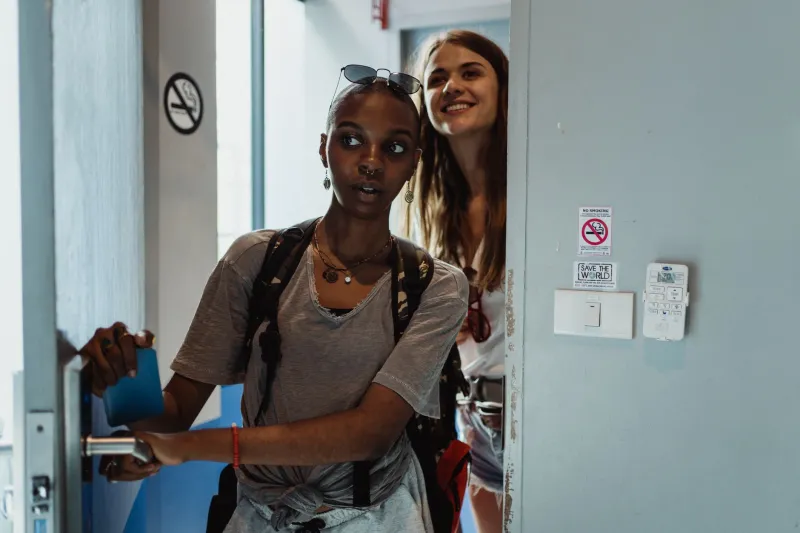
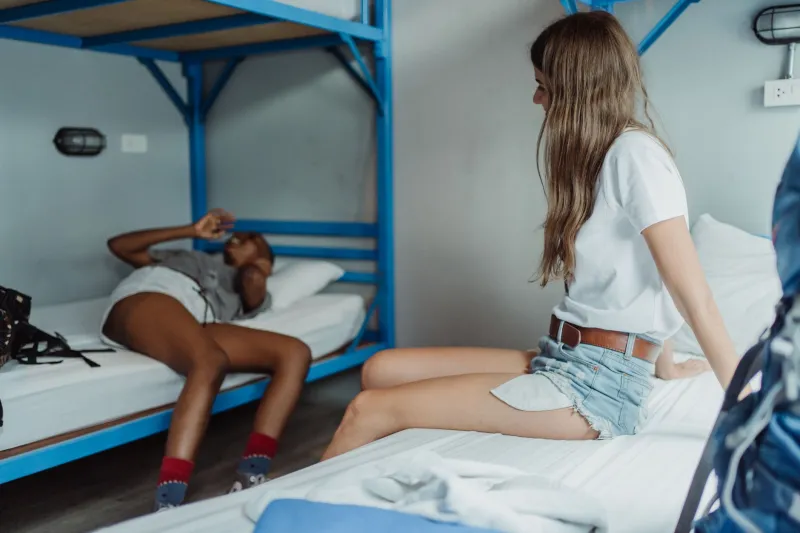
This isn't about booking a long-term Airbnb and recreating your apartment from back home. The backpackers who make this pivot typically stay embedded in hostel culture — they just stop treating it as a waystation.
Some negotiate extended-stay rates with hostel owners, trading a private room or a reliable bunk for a reduced weekly rate. Others slide into informal work exchange arrangements: helping with front desk shifts, leading walking tours for new arrivals, or managing social media in exchange for accommodation. Hostels in cities with high backpacker turnover have quietly developed these arrangements for years, but demand has grown noticeably since the pandemic reshuffled what Americans consider a reasonable relationship between work and place.
The work piece matters. Remote jobs, freelance contracts, and the slow normalization of location-independent income have made it genuinely possible for Americans to earn in dollars while spending in local currencies — a financial dynamic that can stretch a modest income into something comfortable in Lisbon, Oaxaca, or Tbilisi. But the hostel connection isn't incidental. It's often the community infrastructure that makes staying feel sustainable rather than lonely.
Why Hostels Are the Right Base for This Kind of Life
There's something hostels offer that no apartment lease can replicate: a built-in social ecosystem with constant renewal. When you're new somewhere and trying to build a life from scratch, that matters enormously.
Long-term hostel residents often describe becoming a kind of informal anchor for the place. New arrivals come through every few days, and the person who's been there for two months becomes an invaluable resource — the one who knows which taco stand opens late, which bus actually runs on time, which neighborhoods are worth exploring beyond the tourist map. That role creates connection and a sense of purpose that pure transience rarely provides.
Hostels themselves are adapting. More properties are carving out designated co-working spaces, offering monthly pricing structures, and building programming — language exchanges, community dinners, local volunteer partnerships — that serves residents who are sticking around as much as it serves people just passing through. The business logic is straightforward: a reliable long-term resident is worth more than a revolving door of one-night bookings, and they tend to become enthusiastic informal ambassadors for the place.
The Psychological Shift: Permission to Belong
Here's the part that doesn't get talked about enough: for a lot of Americans, staying put abroad requires a genuine mental reframe.
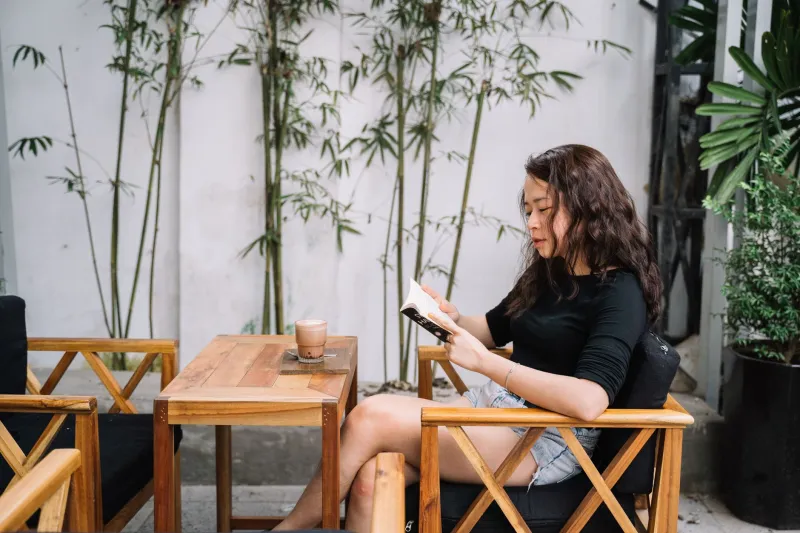
US travel culture is saturated with the idea that more movement equals more adventure. The Instagram grid rewards variety. The classic backpacker identity is built around covering ground. Choosing to spend six weeks in one mid-sized city in southern Portugal — really learning its rhythms, its local spots, its seasonal changes — can feel almost transgressive by those standards. Like you're not doing travel right.
But the backpackers who've made this pivot consistently describe it as the point where travel stopped feeling like performance and started feeling like actual living. The difference between visiting a place and inhabiting it is enormous, and it turns out that inhabiting somewhere — even temporarily, even in a bunk bed — does something to your sense of self that a highlight-reel sprint through twelve countries simply doesn't.
There's also a community angle that surprises people. Joining a local volunteer project, becoming a regular at a neighborhood market, learning enough of the language to have a real conversation — these things create belonging in ways that are harder to manufacture when you're only anywhere for seventy-two hours.
What Triggers the Eventual Move-On (Or Not)
Not everyone who pivots stays permanently. Most eventually move — to another city, back to the States, or deeper into a new country entirely. But the way they move tends to be different. More intentional. Less frantic.
Some come back to the same hostel the following year, which is its own kind of continuity. Some parlay the local connections they built into a job offer or a creative project that follows them home. Some genuinely don't leave, and that's a whole separate story involving visa runs, local relationships, and a growing pile of possessions that no longer fits in a 40-liter pack.
The point isn't that everyone should stay put. The road has its own real magic, and nobody here is arguing against it. But the backpackers who've discovered this particular rhythm — move, land, dig in, belong — tend to describe it as finding something they didn't know they were looking for.
Sometimes the most adventurous thing you can do is stop adventuring long enough to actually arrive somewhere.
Thinking about stretching a trip into something longer? Check out our guides on work exchange arrangements, digital nomad visas, and how to negotiate an extended stay at a hostel before you book your next move.